Why a coordinated Centro response is needed
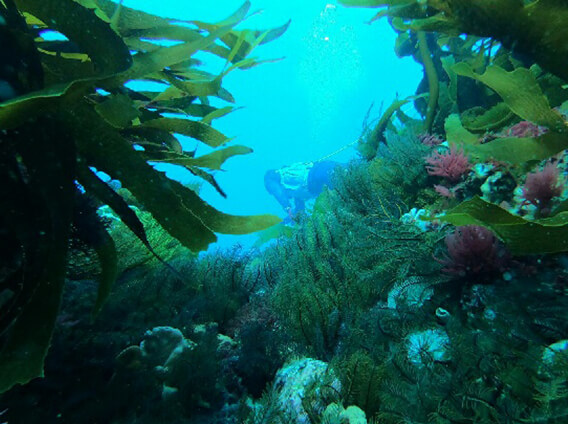
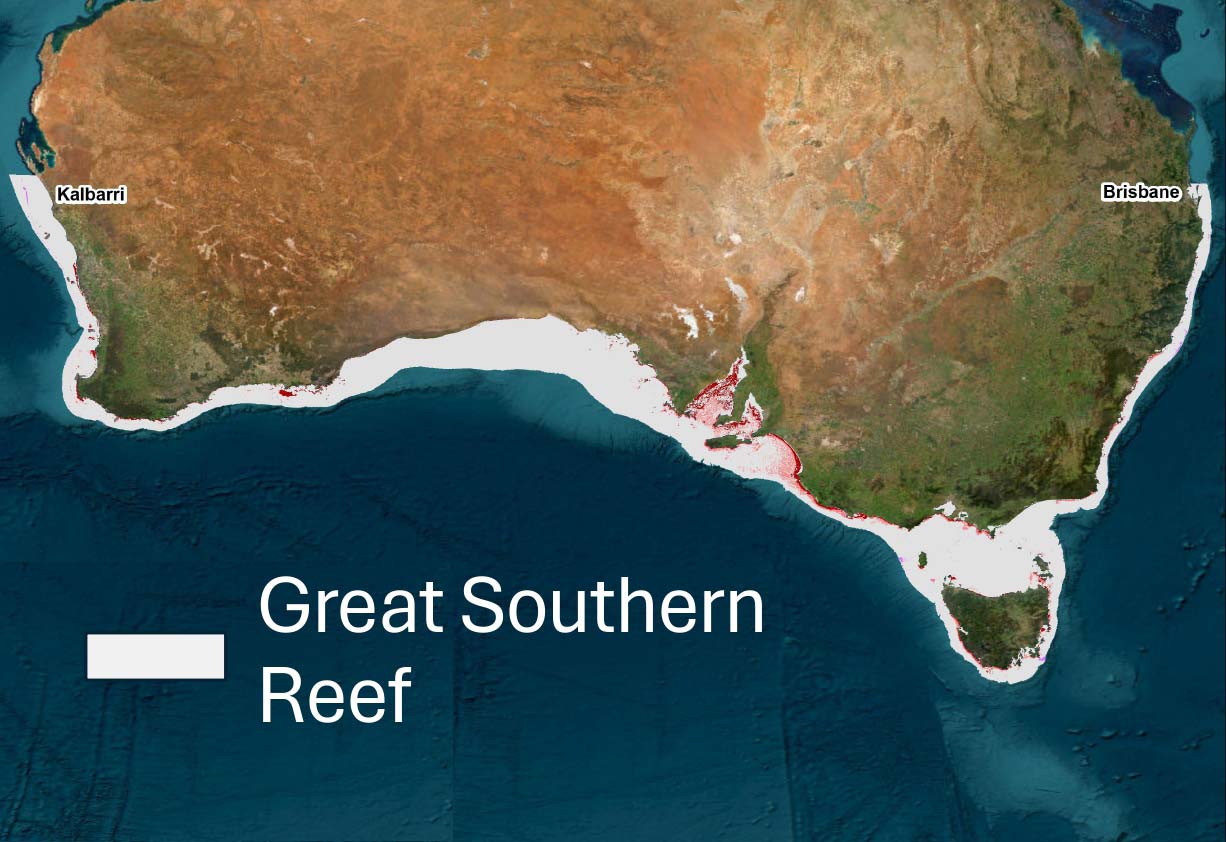
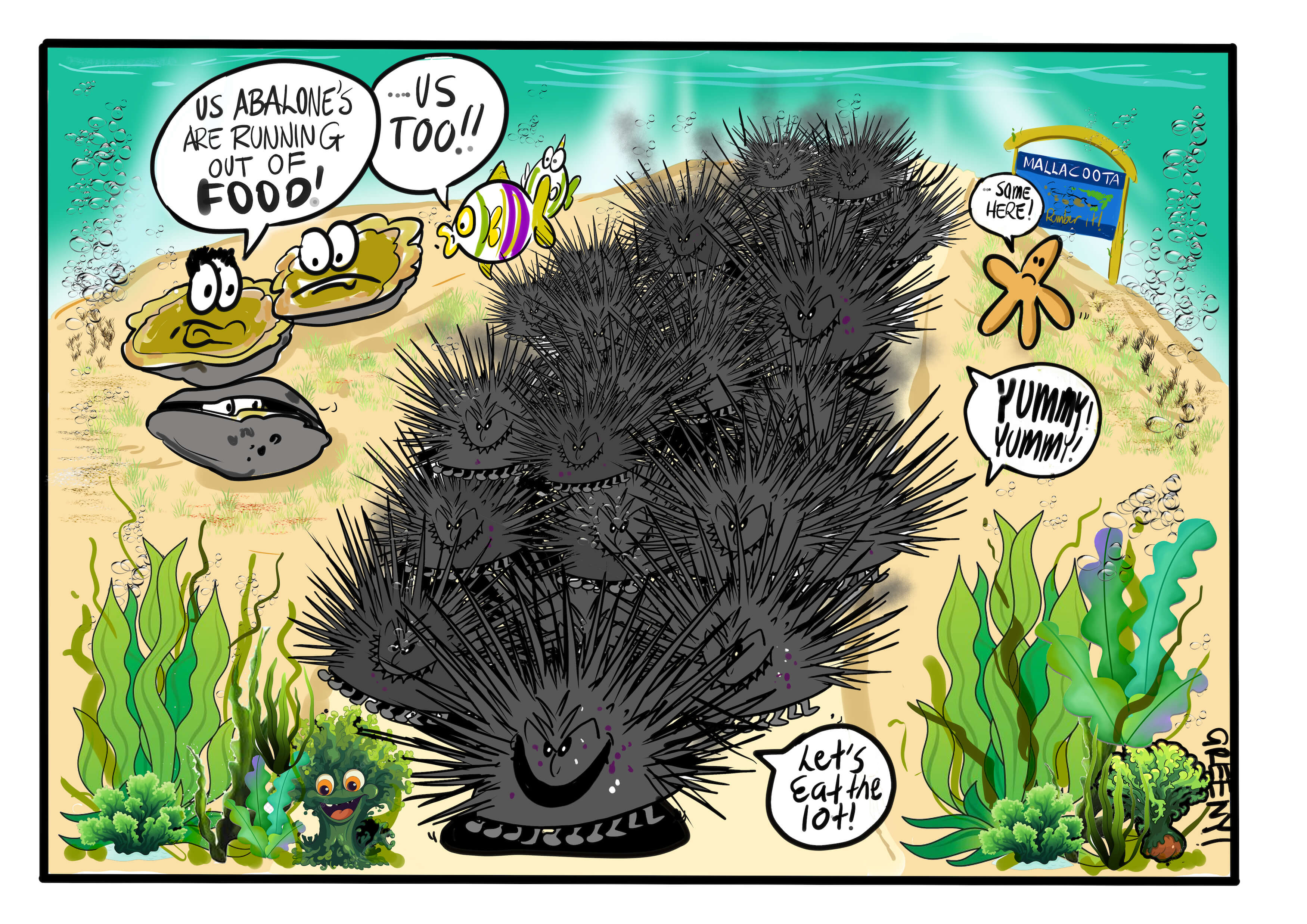
The expansion and overpopulation of the native long-spined sea urchin Centrostephanus rodgersii poses a significant threat to the Great Southern Reef. High grazing pressure can reduce kelp forests and simplify reef habitat, affecting marine biodiversity and species that depend on productive rocky reefs, including abalone and rock lobster.
For Eastern Victoria, this is a regional fisheries and habitat issue rather than a single-site problem. The Great Southern Reef is connected across state boundaries, while the ocean conditions that influence urchin range expansion do not stop at administrative borders. A response therefore needs shared research, consistent monitoring, practical control options and clear collaboration between government, industry, Traditional Owners, researchers and communities.
The Centro Task Force, consisting of key national stakeholders, proposes a national investment of $55 million over five years for research, monitoring, removal and management strategies aimed at protecting and rehabilitating marine habitats affected by long-spined sea urchins.
What the management plan is designed to support
A useful management plan connects immediate reef action with the evidence needed for long-term recovery. Monitoring can establish where urchin density and kelp loss are changing, while modelling can help identify priority locations and measure whether interventions are producing durable habitat outcomes. In-water control and rehabilitation can then be evaluated alongside industry support, processing opportunities and community-led stewardship.
For EZAIA, the strongest approach is one that recognises the relationship between reef condition and the future of the wild abalone fishery. Divers and other people working on the water can contribute valuable observations, but local knowledge is most effective when it is combined with consistent scientific methods, transparent reporting and a clear process for adapting management as conditions change.
Proposed investment allocation
- Reef Monitoring and Modelling ($6 million)
- In-Water Urchin Control and Rehabilitation Strategies ($30 million)
- Industry Support for Commercial Harvests and Processing ($8 million)
- First Nations Support for Management of Sea Country ($2.5 million)
- Research and Development ($4 million)
- Community Engagement and Communication ($2 million)
- National Management Planning and Policy Development ($2.5 million)
Measuring progress across the Great Southern Reef
Successful management should be measured by more than the number of urchins removed. Useful indicators include changes in urchin density, kelp cover, reef biodiversity, abalone habitat and the participation of local communities and First Nations organisations. Publishing results over time will help partners identify which methods work in different places and ensure investment is directed where it can deliver the greatest ecological and community benefit.
EZAIA supports continued collaboration on this issue because healthy reefs are the foundation for a resilient Eastern Zone fishery. The supporting one-page document provides the original management-plan summary and investment framework.