
Why sea urchins matter to Eastern Victoria
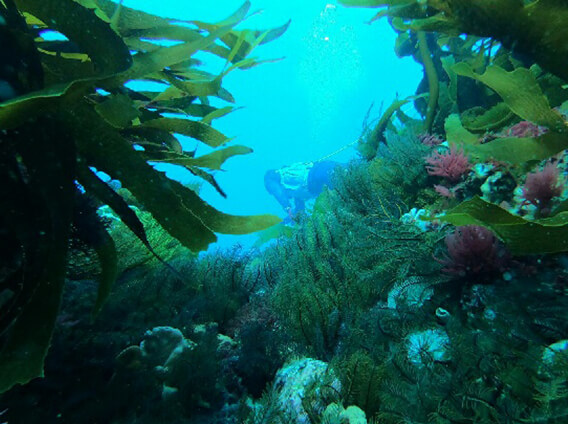
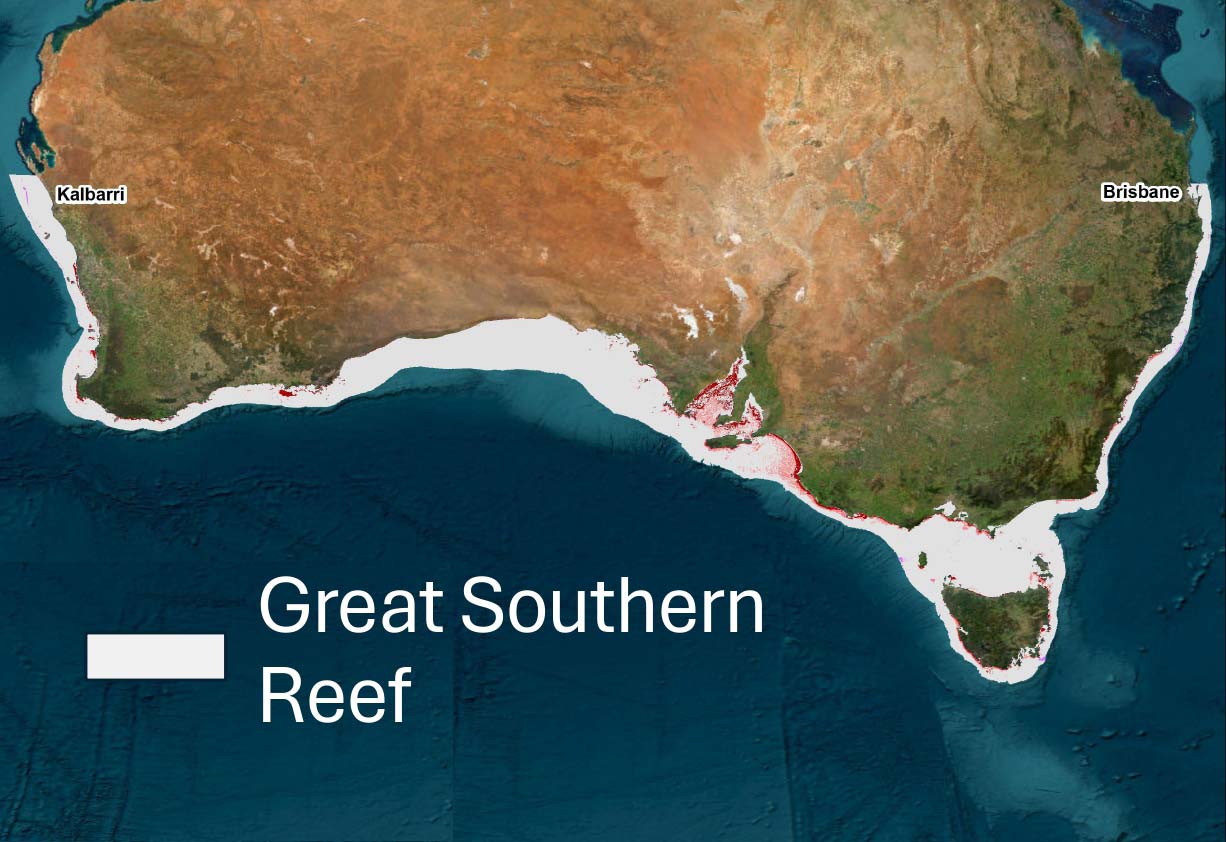
Eastern Victoria is connected to one of the most important temperate reef systems in Australia. The Great Southern Reef extends for more than 8,000 kilometres around the southern half of the continent, supporting kelp forests, abalone habitat, commercial fisheries, tourism and coastal communities. In the Eastern Zone, the condition of these reefs is directly connected to the long-term resilience of the wild abalone fishery.
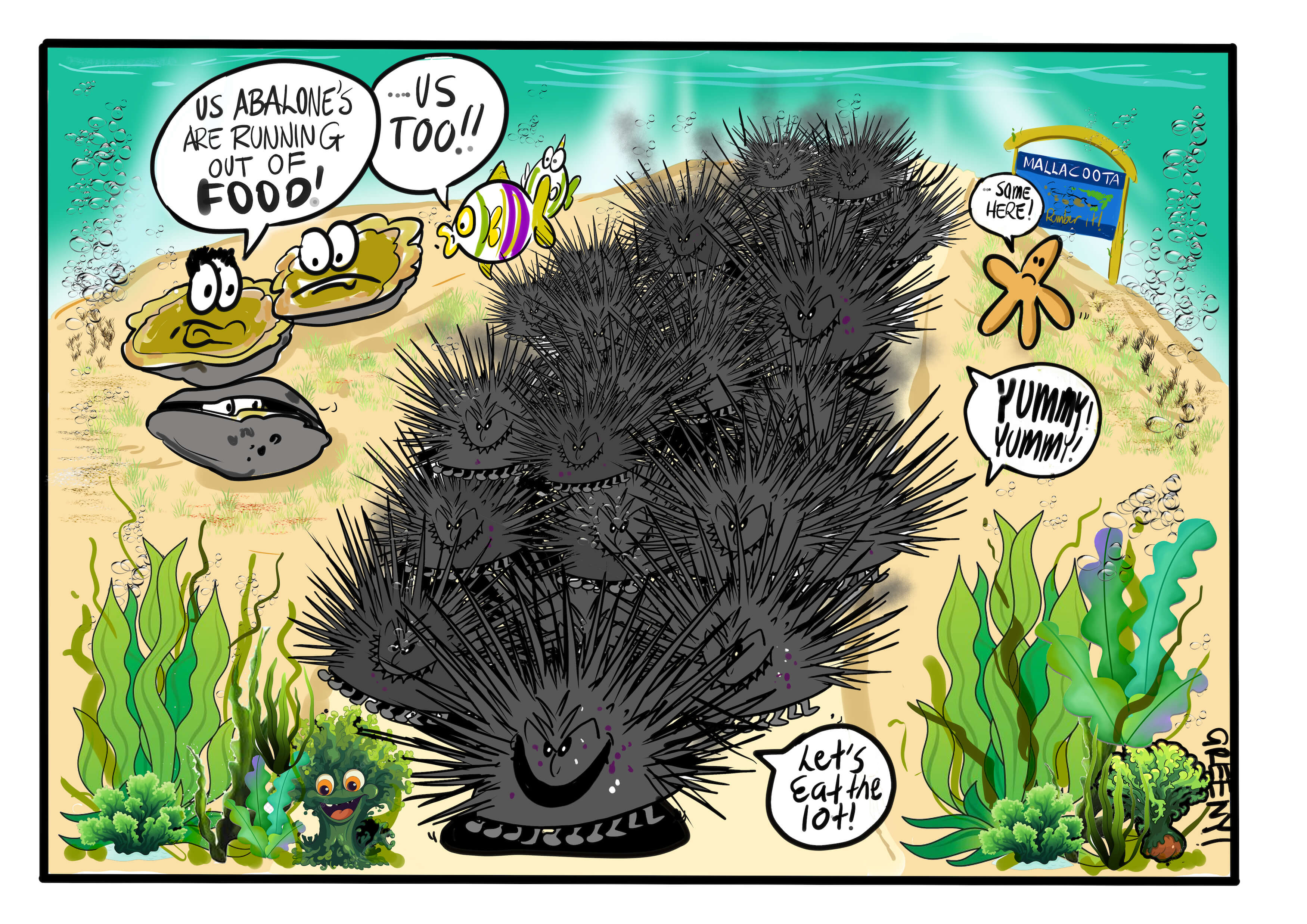
The long-spined sea urchin Centrostephanus rodgersii is native to the waters of New South Wales, but its range has expanded southward as ocean conditions change. Warmer currents can allow larvae to survive in areas that were previously less suitable. Where urchin numbers become high, grazing pressure can reduce kelp and other reef vegetation faster than the habitat can recover.
What changes when urchin numbers increase?
Healthy kelp reefs provide shelter, food and complex structure for many marine species. When intense grazing removes that vegetation, reefs can shift towards simplified “urchin barrens” with less cover and lower productivity. Recovery is not only a question of restoring kelp; it also depends on reducing grazing pressure, protecting remaining habitat and monitoring whether young kelp and other reef organisms can re-establish.
For abalone divers and other people who rely on Eastern Victoria’s marine environment, the issue is both ecological and practical. Habitat change can affect the distribution of species, fishing conditions, biodiversity and the wider economic value of the coast. It is therefore important that management decisions are based on local observations, scientific monitoring and the experience of people working on the water.
How industry and partners are responding
EZAIA supports coordinated work between industry, government, researchers, Traditional Owners and regional communities. Practical responses can include targeted urchin control, reef-restoration trials, improved monitoring and research into the ocean conditions that influence larval settlement and survival. These activities are most effective when they are connected to clear objectives, transparent reporting and long-term evaluation rather than treated as one-off interventions.
The aim is not simply to remove urchins in isolation. It is to support productive, diverse reefs that can continue to provide habitat for abalone and other marine life. Local knowledge from licensed divers can help identify changing reef conditions, while research partnerships can test which restoration methods work in different locations and seasons.
Building a resilient Great Southern Reef
Climate change means that Eastern Victoria’s marine conditions will continue to change. A resilient response requires ongoing observation, collaboration and a willingness to adapt management as evidence improves. Protecting the fishery involves protecting the broader reef system that supports it, including kelp habitat, water quality, biodiversity and the coastal communities connected to the ocean.
EZAIA shares this issue to support informed discussion about sea urchin management, habitat recovery and the future of the Great Southern Reef. The short video below provides additional background on sea urchin management and changing ocean conditions.