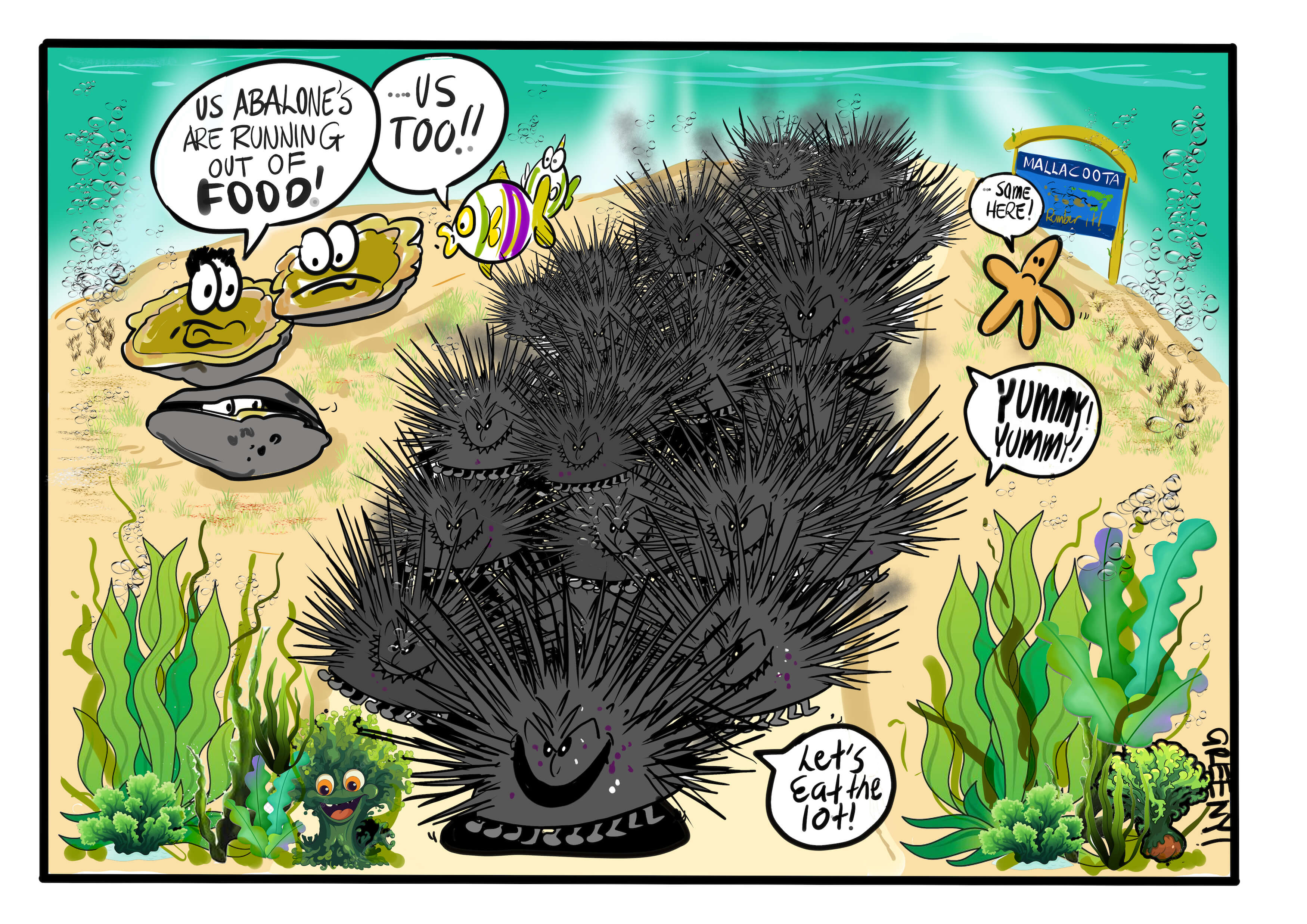
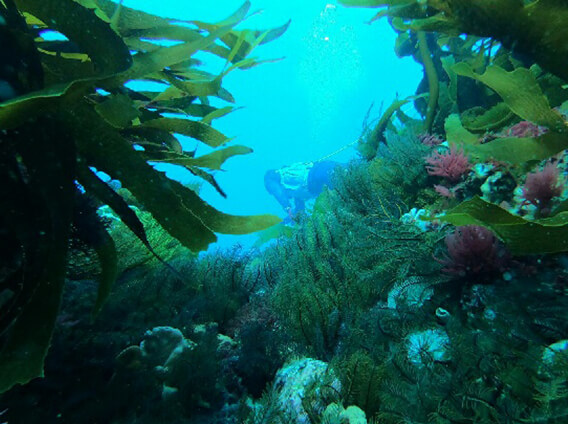
The Australian Senate inquiry, led by Senator Peter Whish Wilson, was launched highlighting the urgent threat of long-spined sea urchins to the Great Southern Reef and called for coordinated federal action, funding, and ecosystem restoration.
Background and Scope of the Inquiry
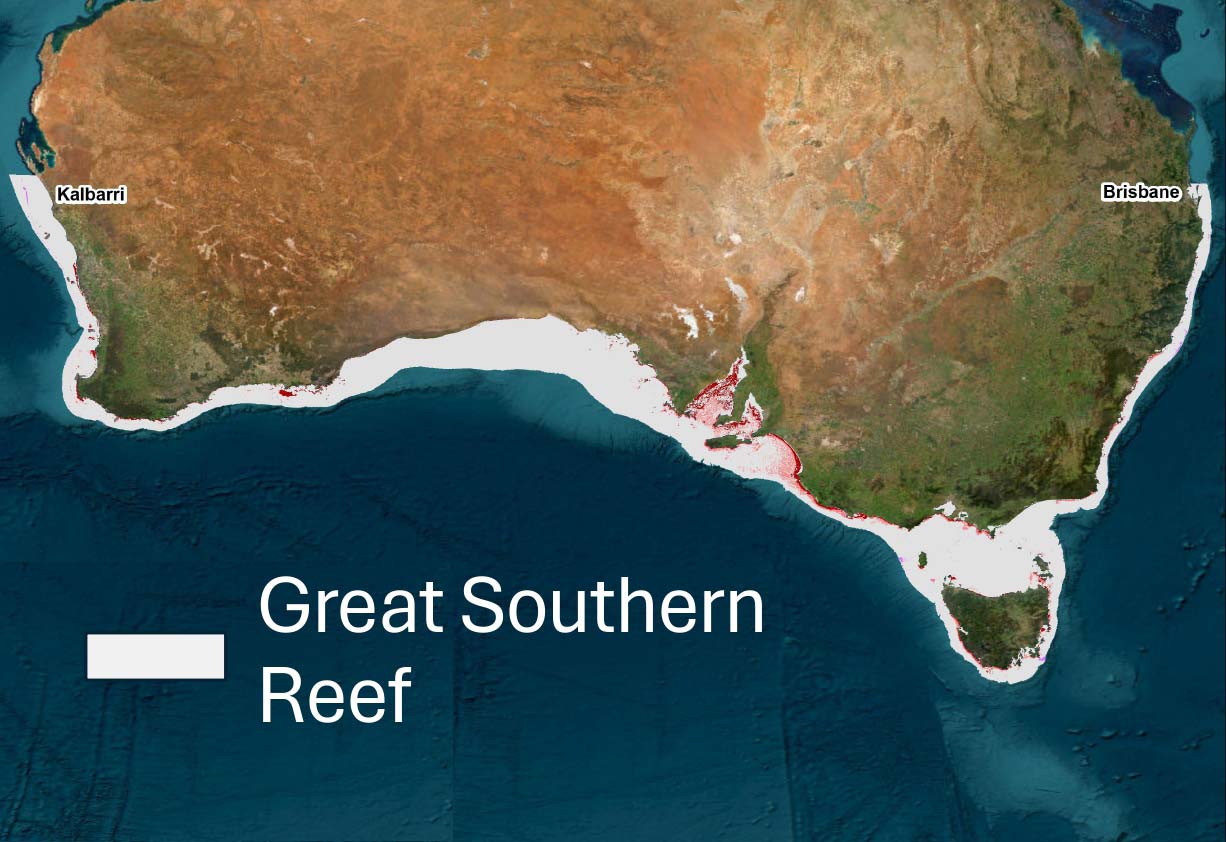
The Senate referred an inquiry into climate-related marine invasive species to the Environment and Communications References Committee in September 2022, focusing on the spread of long-spined sea urchins (Centrostephanus rodgersii) along the Great Southern Reef. The inquiry examined the ecological, social, and economic impacts of these species, management options, governance measures inclusive of First Nations communities, and funding requirements for coordinated national responses.
It was an extensive and lengthy process and Submissions, hearings and reports can be found at this link:
Climate-related marine invasive species – Parliament of Australia
Findings and Recommendations
The inquiry report, informed by over 150 stakeholders including scientists, fishers, First Nations representatives, and government agencies, emphasized:
- The need for federal leadership and a coordinated national response to manage urchin populations.
- Targeted funding for reef restoration, urchin removal, processing capacity, and Indigenous-led initiatives.
- Strengthening marine protected areas and promoting natural predators like rock lobsters and the Eastern Blue Groper to control urchin numbers.
- Recognition of climate change as a key driver of range expansion and ecosystem vulnerability.
The report recommended an immediate investment of $55 million over five years to implement these measures.
National Centro Task Force and Senate report (PDF)
The Federal government response was only provided in April 2026 which received criticism.
The federal government acknowledged the problem and continued engagement through existing taskforces but did not commit new funding to scale up interventions. Stakeholders criticized this response as insufficient, noting that without targeted investment, industry and Indigenous-led solutions cannot operate at the scale required to restore kelp forests and protect biodiversity.
An estimation of the impact per hectare has been explained by scientists at UTAS – in the Great Barrier Reef crown of thorns starfish (COTS) triggers a response and federal funding at just 15 starfish per hectare.
Great Southern Reef are dealing with sea urchins of the magnitude of 100,000 per hectare and receives zero funding or assistance from the federal or state governments.